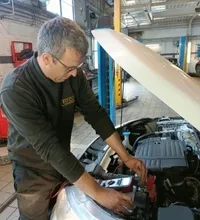


Budget misses the opportunity to back the people who keep Britain’s vehicles safe
 2 mins read time
 Policy

Professional body says the Budget fails all three of its skills tests, putting growth, net zero and road safety ambitions at risk
The Institute of the Motor Industry (IMI) has said today’s Autumn Budget was a missed opportunity to invest in the skilled, competent automotive workforce on which the government’s ambitions for growth, net zero and road safety ultimately depend.
“Every one of the government’s ambitions depends on having enough skilled, competent people to service, repair and maintain the vehicles on our roads,” said Nick Connor, CEO of the IMI.
“The sector is facing a perfect storm of workforce shortages, an ageing vehicle parc and rapid technological change, yet today’s Budget does nothing meaningful to address it. Without targeted investment, those pressures will hold back productivity, slow the adoption of new technologies and increase the risks for employers and motorists alike.
“Growth, net zero and safer roads all start with the people who keep Britain’s vehicles on the road. The IMI stands ready to work with government to put in place the skills those ambitions depend on. In particular, we eagerly await the actions from the Milburn Review. Automotive has, historically, been one of the strongest sectors for providing a vital transition from education into the workplace with an above average representation of apprenticeships. And with SMEs making up over 95% of our sector these businesses need the support from government to offer young people a first step into skilled work.”
Ahead of the Budget, the voice of the automotive workforce set three tests for Chancellor John Healey:
- Reform of the Growth and Skills Levy so employers can fund the training they actually need
- Targeted investment in the automotive workforce to tackle recruitment and retention
- Investment in competence for emerging vehicle technologies, from electric to connected and automated vehicles.
None of the measures announced today meaningfully addresses any of them.
The scale of the challenge is clear. The IMI Vacancy Tracker data shows there were around 17,000 motor trade vacancies between June and August 2026, giving the sector the joint second-highest job openings rate of any UK industry. Demand for EV skills has risen 83% in a year and the IMI’s EV TechSafe Technician Forecast projects a shortfall of more than 43,000 EV-qualified technicians by 2035.

The IMI
Share this Page